
Start here
Buying property does not give you residency
A Canadian home creates no immigration status. Canada has no general passive retirement visa or residence-by-purchase route. A visitor stay, family sponsorship, permanent residence and an active entrepreneur programme are separate paths; passive property ownership satisfies none of them.
The federal prohibition on purchases of residential property by non-Canadians remains in force through 1 January 2027. It covers many houses and condominium units in a census metropolitan area or agglomeration, subject to defined exceptions. Victoria is within a CMA; Whistler is generally outside one. Confirm the buyer and exact parcel rather than treating Canada as a single answer.
Decision rule: establish immigration status and purchase eligibility before viewing a Victoria home or assuming a resort exemption applies.
Who Canada suits
Canada is a strong fit for retirees who already hold citizenship or permanent residence—or have a genuine independent route—can make British Columbia their real home, value an English-speaking institutional environment and do not need nightly rental income.
Look elsewhere first if a cash purchase is expected to produce residence, a non-Canadian wants a Victoria condo before qualifying for an exception, part-year ownership must create public healthcare, or the economics depend on unrestricted short stays.
What changed in 2025–2026
The federal purchase prohibition continues through 1 January 2027. The federal Underused Housing Tax was eliminated for 2025 onward, though earlier obligations remain. British Columbia's speculation and vacancy tax rose from 2026 to 3% for foreign owners and untaxed worldwide earners where no exemption applies.
British Columbia's home-flipping tax has applied since 1 January 2025 to certain dispositions within 730 days, and strengthened strata depreciation-report rules make reserve and special-levy diligence more useful. None of these changes creates purchase eligibility or a residence route.
Financing and ownership costs
Mortgage terms for a visitor or foreign buyer are lender-specific. CMHC newcomer insurance is aimed at permanent residents and legally authorised workers who can lawfully purchase; it is not a financing workaround for a prohibited acquisition.
British Columbia's general property transfer tax is graduated. A qualifying foreign buyer in the Capital Regional District can also face a 20% additional property transfer tax. For 2026 use, a foreign owner in a taxable area can face a 3% speculation and vacancy tax without an exemption. Nonresident rental income generally carries 25% withholding on gross rent unless an approved net-rent route is used, and sale requires Canadian tax-clearance planning.
Decision rule: model Victoria and Whistler separately; their federal eligibility and provincial tax geography are not interchangeable.
Retirement practicality beyond the purchase
MSP follows qualifying residence. British Columbia coverage is for eligible residents who make the province their home and meet physical-presence requirements; visitors are generally excluded. New residents may face a waiting period, and public coverage excludes several routine dental, drug, eye and allied-health costs.
Strata records can change the price. Review title, easements and covenants, then obtain the Form B certificate, bylaws, minutes, budget, depreciation report, reserve balance, insurance, litigation and special levies.
Short stays are sharply local. Victoria requires principal-residence use and caps whole-home letting while away. Whistler is exempt from the province-wide principal-residence rule, but tourist accommodation still requires correct zoning and licensing. Residential zoning does not become nightly-rental permission.
Insurance is not uniform. Victoria requires earthquake, coastal and overland-flood review; Whistler adds wildfire, smoke, evacuation and mountain hazards. Confirm written cover, exclusions, deductibles and strata master-policy limits.
Canada through five retirement lenses
Canada is easiest to misunderstand when national reputation substitutes for buyer eligibility. These five lenses keep immigration, tax geography, healthcare and legal use in the same decision.
Start with the right to buy and remain
Victoria sits inside the federal prohibition geography; Whistler generally does not. Neither property creates a residence route. A retirement plan should begin with citizenship, permanent residence or another lawful status, then test the exact acquisition exception and provincial tax result.
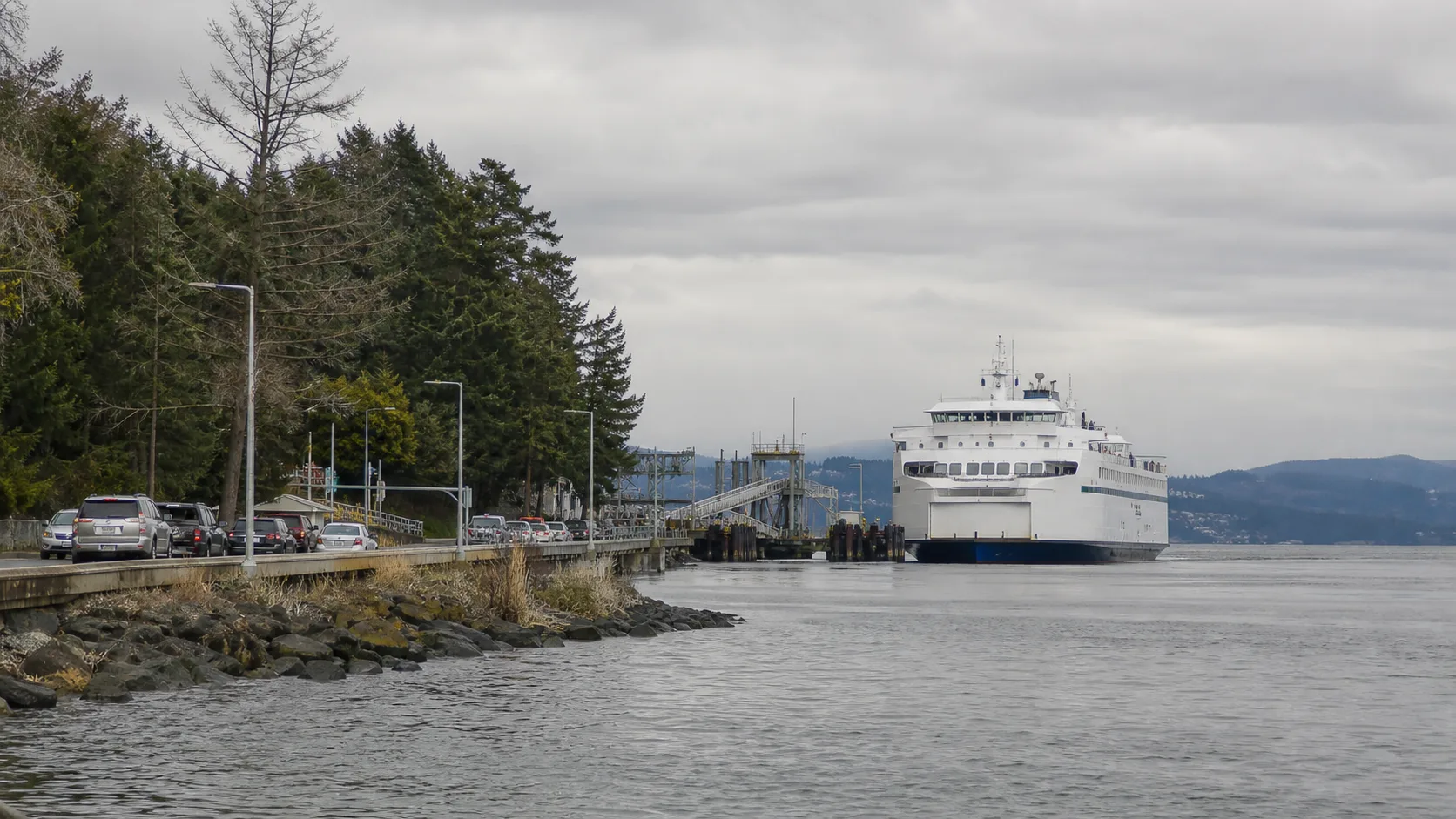
Match the operating model to the address
Victoria's principal-residence regime makes a nonresident investment condo a poor nightly-rental thesis. Whistler allows tourist accommodation only in appropriately zoned and licensed inventory, subject to covenants and strata rules. Personal use should carry the purchase without assumed platform income.
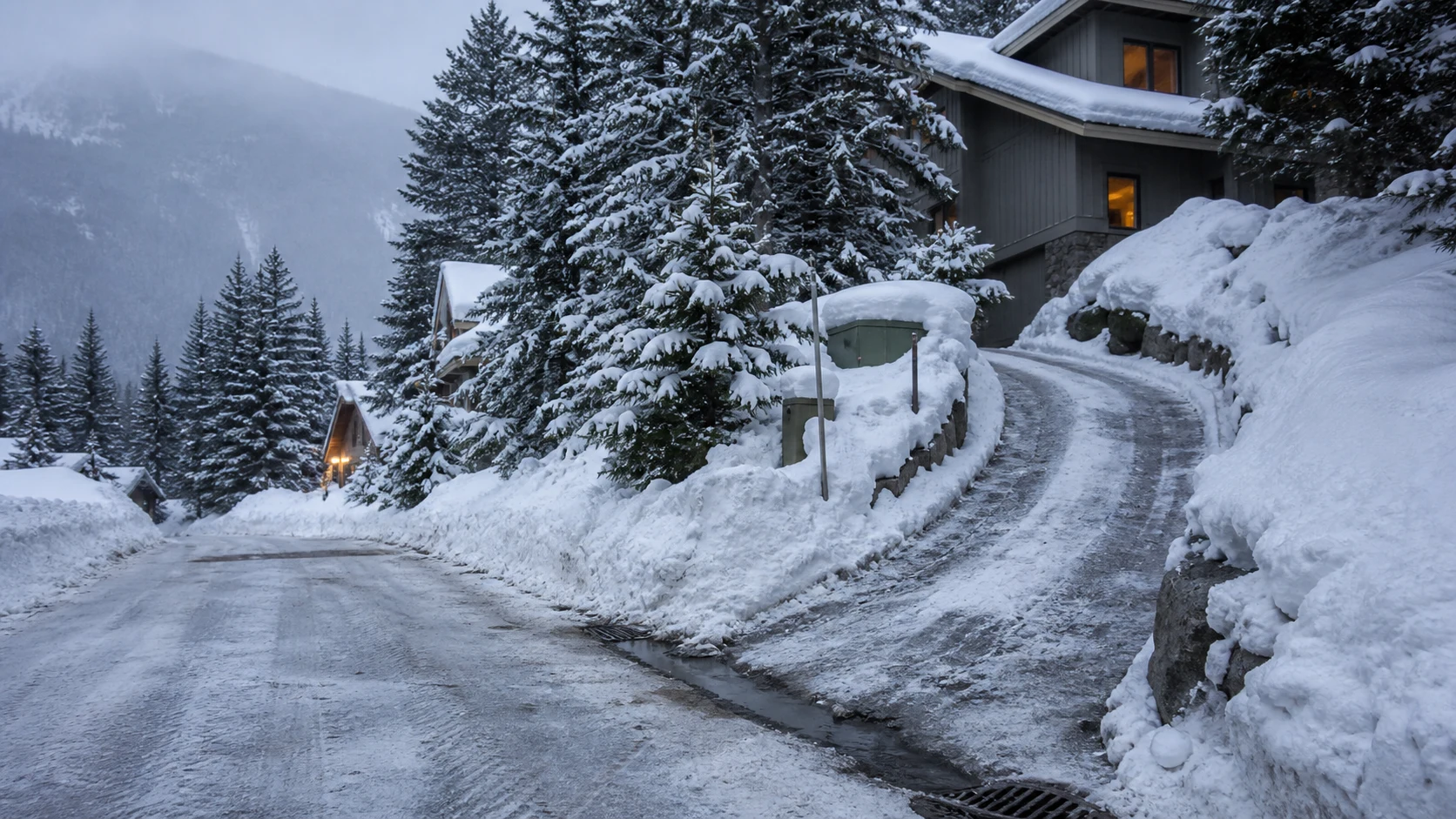
Make healthcare a residence test
Confirm MSP eligibility, the waiting period and uncovered services before moving. Victoria provides the stronger hospital and specialist network; Whistler requires a more deliberate plan for complex care and winter transfers.
Read the strata before the unit
A renovated interior cannot offset an underfunded reserve, unaffordable insurance deductible or approved capital project. Review Form B, minutes, depreciation report, litigation and rental bylaws as one ownership-cost record.
Buy resilience, not only scenery
Victoria offers the deeper year-round urban and medical base. Whistler is a specialist mountain asset. In either place, favor clear title, a funded strata, insurable construction and an exit pool broader than one foreign-buyer or nightly-rental strategy.
Estimate your retirement capital
Start with destination expenses in today's money, then account for inflation, reliable pension and passive income, housing, property acquisition, and a liquid portfolio.
Open the retirement abroad calculatorVictoria and Whistler are not interchangeable
The federal purchase ban, British Columbia tax geography, rental rules and physical risks produce two different retirement-property propositions.
| Destination | Best for | Daily-life read | Primary diligence | Rental stance |
|---|---|---|---|---|
| Vancouver Island / Victoria | Eligible full-time British Columbia residents seeking a coastal city base | The stronger year-round service, transport and healthcare ecosystem | Federal eligibility, 20% foreign PTT, 3% SVT exposure, strata, earthquake and flood | Principal-residence rules make nonresident nightly-rental underwriting unsuitable |
| Whistler | Mountain-life buyers comfortable with resort-specific legal and operating checks | A compact resort with Vancouver access, high costs and more specialist logistics | Zoning, covenants, strata, wildfire, evacuation, winter access and insurance | Only correctly zoned, covenanted and licensed tourist accommodation qualifies |
Related Buying Guides
Use these adjacent guides to test the same shortlist from a different buyer intent before committing to local diligence.
Japan Retirement Property for Foreign Buyers
Compare Japan retirement property for foreign buyers across lifestyle, access, ownership, residency, reporting, costs, healthcare, rental rules, risks, and four destinations.
Spain Retirement Property for Foreign Buyers
Compare Spain retirement property for foreign buyers across residency, healthcare, ownership, taxes, rental rules, climate risk, and four distinct destinations.
Portugal Retirement Property for Foreign Buyers
Compare Portugal retirement property for foreign buyers across residency, healthcare, ownership, tax, rental rules, climate risk, and two distinct places to retire.
United States Retirement Property for Foreign Buyers
Compare United States retirement property for foreign buyers across residency, healthcare, ownership, tax, insurance, rental rules, climate risk, and four mountain destinations.
FAQ
Does buying property give a foreigner residency in Canada?
No. Property ownership and immigration status are separate, and Canada does not offer a general retirement visa.
Can a non-Canadian buy residential property in Canada?
A federal prohibition applies to many non-Canadians and residential properties through 1 January 2027, with defined exceptions. Provincial taxes and local rules may add further constraints.
How does healthcare work for foreign retirees in Canada?
Public health coverage follows provincial eligibility and lawful residence, not ownership. Waiting periods, covered services and private-insurance needs depend on the province and status.
Should retirement buyers compare Victoria or Whistler?
Victoria offers the deeper year-round service base; Whistler is a specialist mountain proposition with higher operating, insurance and rental-rule sensitivity.
References and update policy
Federal purchase and immigration rules, British Columbia taxes and healthcare, and municipal rental rules are separate layers. Recheck the buyer, parcel, strata and current law before signing. This guide was substantively reviewed on 27 August 2026.
- Federal purchase-prohibition Act
- Federal purchase-prohibition regulations
- IRCC: immigration programmes
- B.C.: property transfer tax
- B.C.: additional property transfer tax
- B.C.: speculation and vacancy tax rates
- Canada Revenue Agency: Underused Housing Tax update
- B.C.: home flipping tax
- B.C.: MSP eligibility and enrolment
- B.C.: strata Form B
- B.C.: strata depreciation-report requirements
- Victoria: short-term rentals
- Whistler: tourist-accommodation licensing